
In Conversation with Habab Ahmed
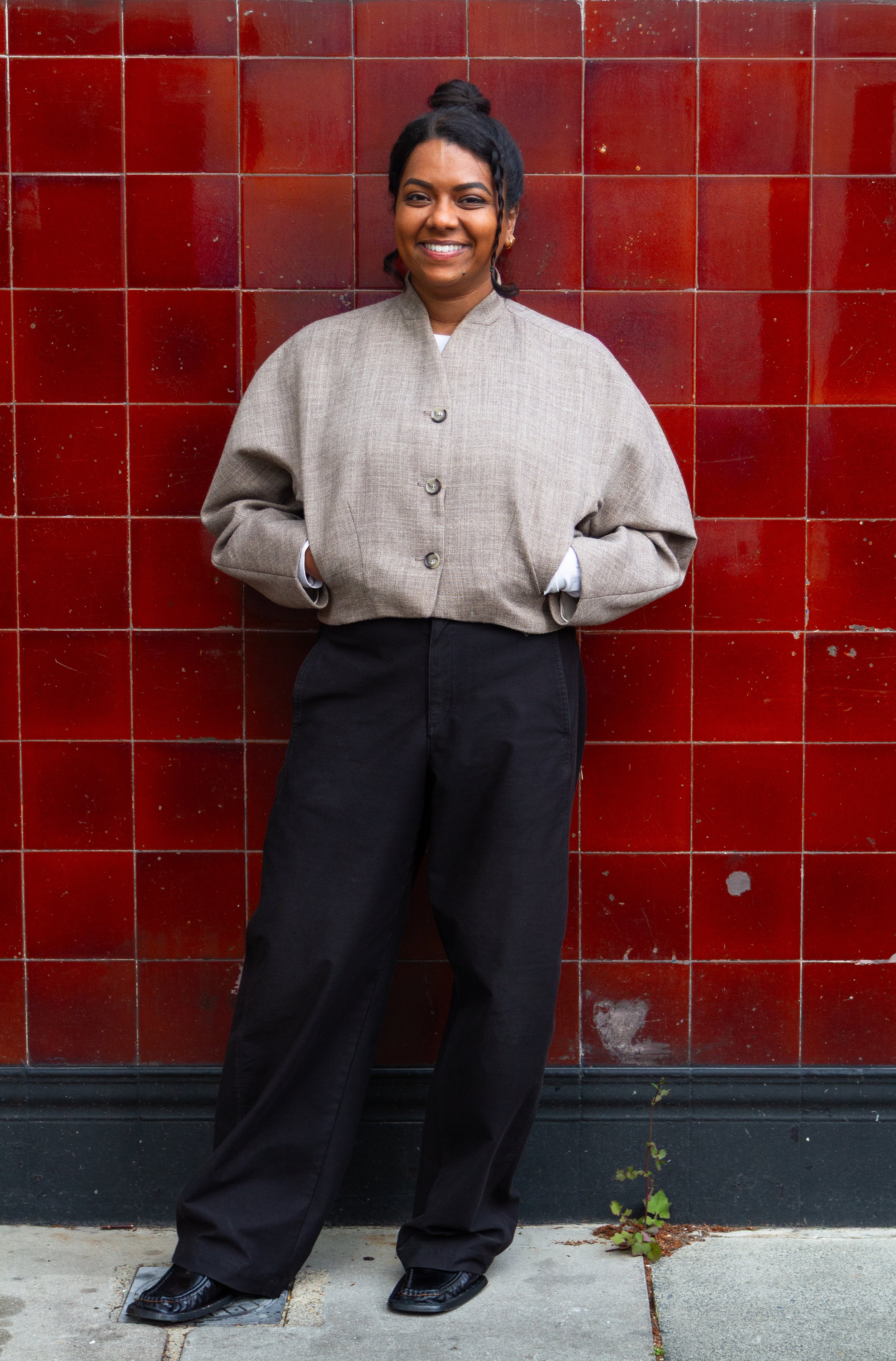
Habab Ahmed is a creative director xxxxx
What is one creative 'rule' or convention in our industry that you love breaking?
I think I enjoy challenging the idea that the best design solutions always come from the most established or well-known sources.
I'm naturally drawn to the underdog, the overlooked maker, the emerging artist, or the smaller supplier with a unique point of view. There is so much incredible creativity out there that doesn't always get the same visibility as larger brands.
Some of the most exciting discoveries I've made have come from digging a little deeper and finding those hidden gems. It keeps projects feeling fresh, introduces new stories into the design, and often results in something much more unique than following the obvious route.
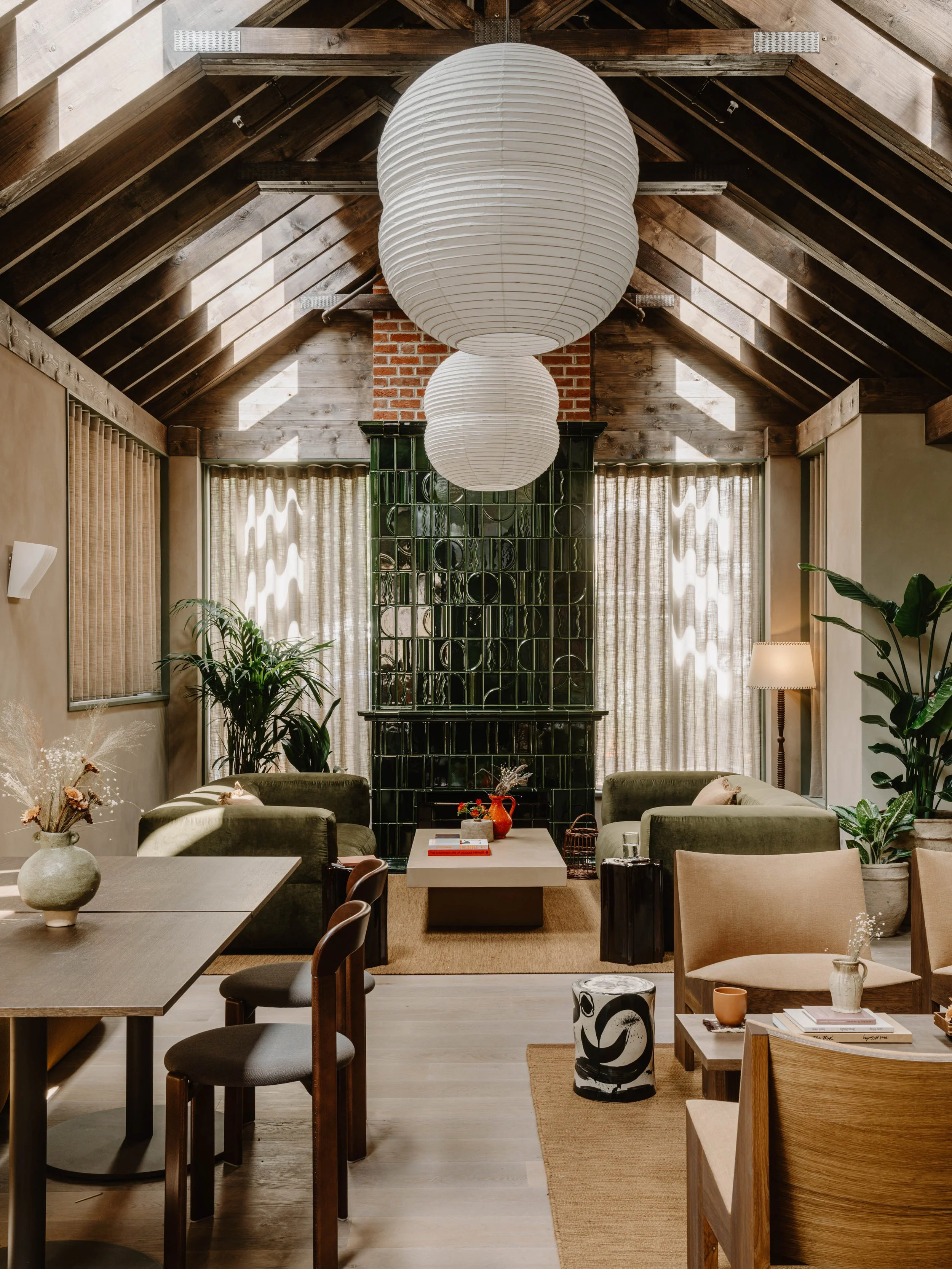
Belsize Park for Mason and Fifth. Photography by A Firman
How can bespoke rugs expand the possibilities for you as a designer?
For me, bespoke rugs open up an entirely different level of creativity. They allow you to create something truly unique to a project rather than trying to fit a concept around what's already available.
A rug often acts as an anchor within a space, so having the freedom to tailor colour, pattern, texture and scale means it can become an integral part of the overall design story rather than just a finishing touch.
What excites me most is the opportunity to create something that feels completely site-specific. It gives you the ability to leave behind a piece of the project's identity, something that can't simply be replicated elsewhere. That's where bespoke design becomes really powerful.
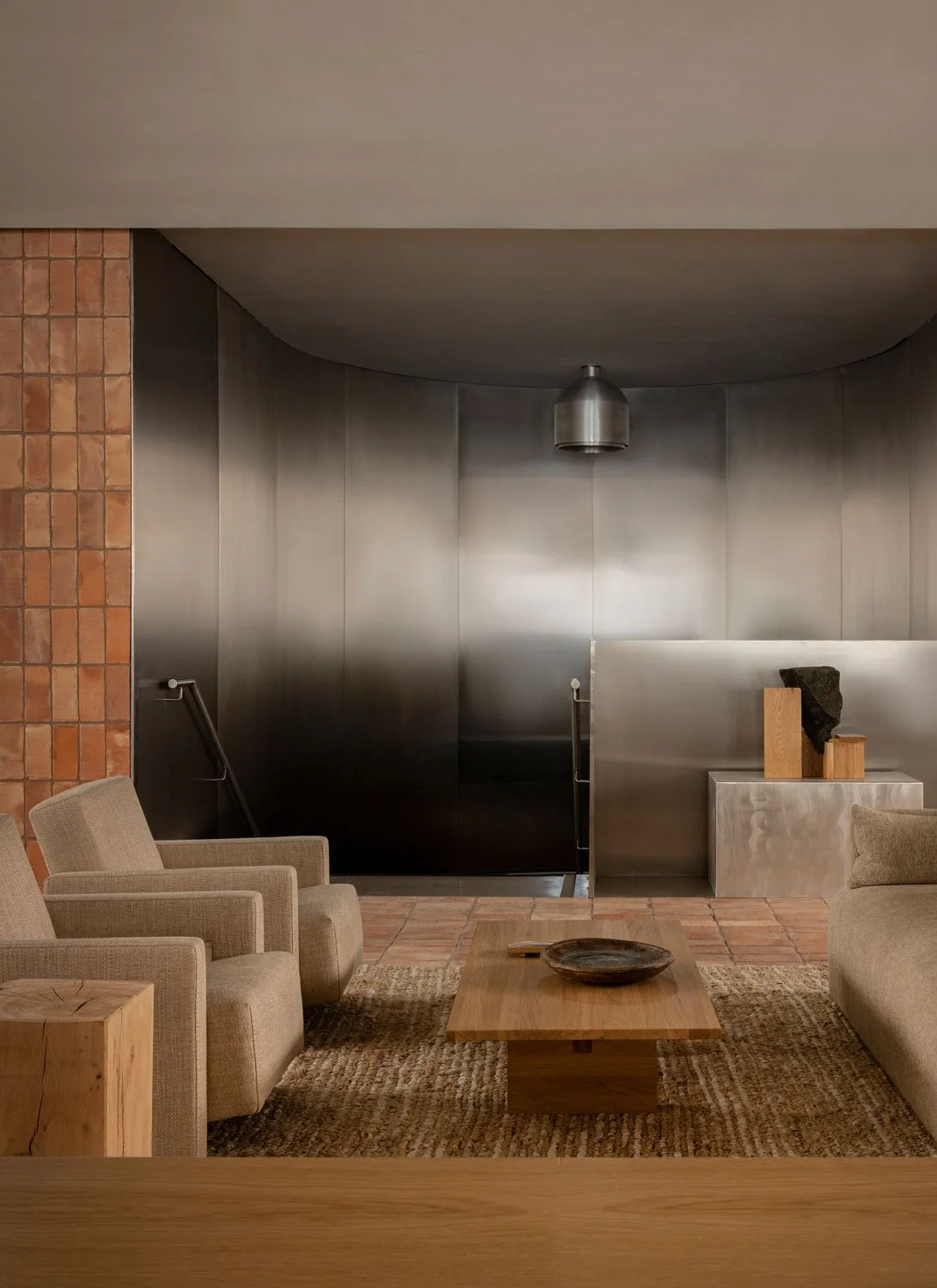
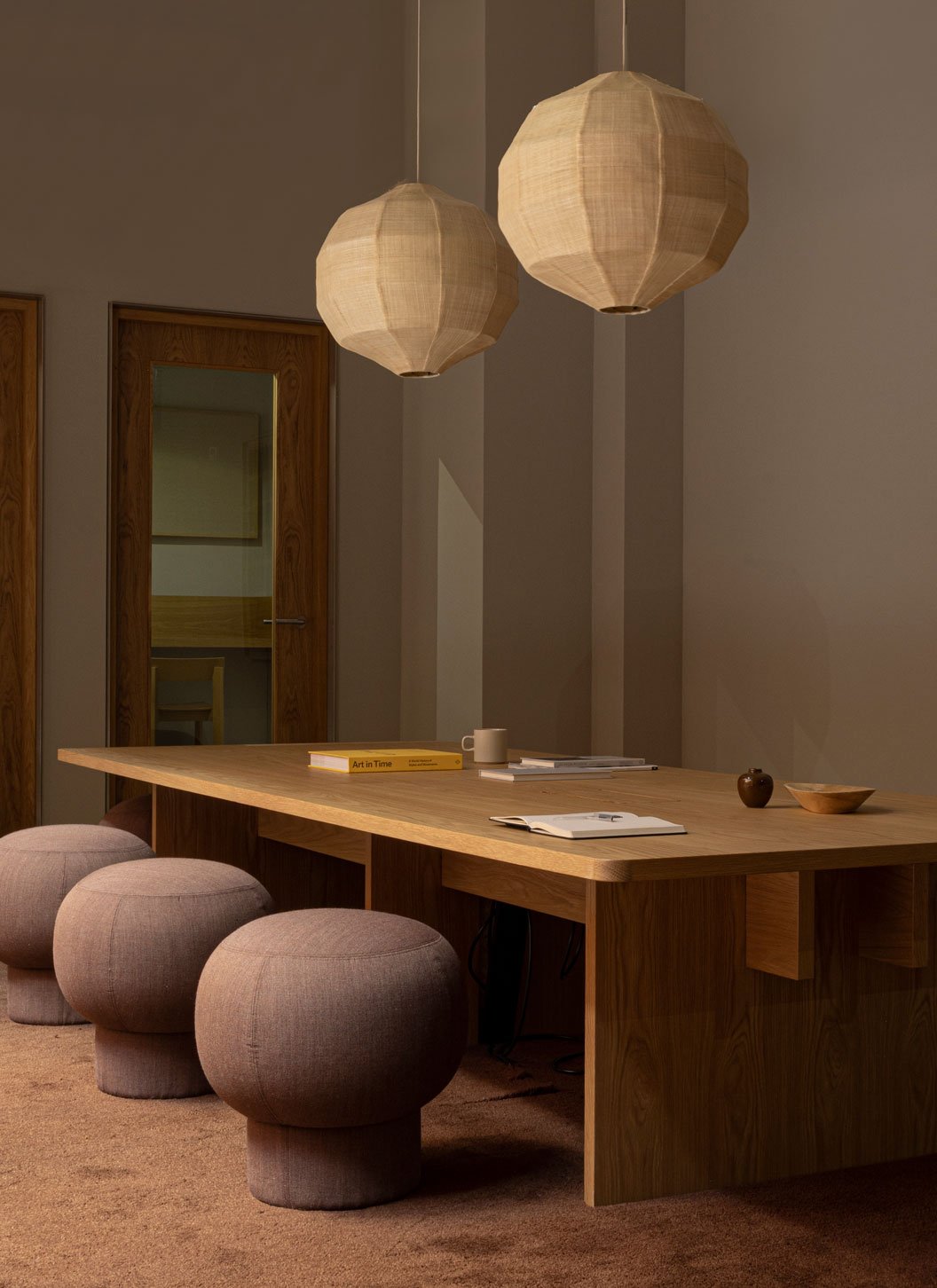
Chancery House for FORA. Photography by
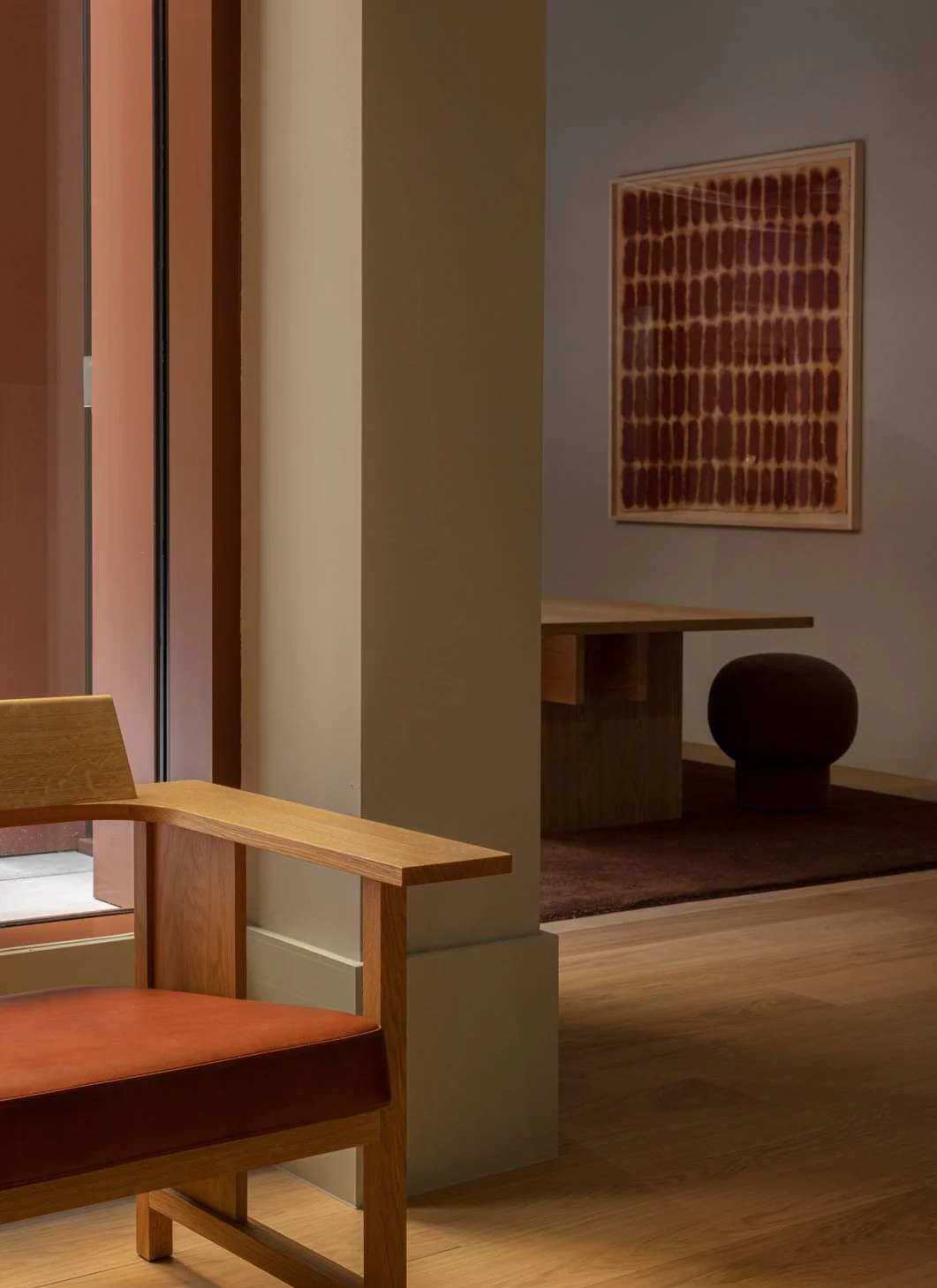
How do you predict and filter trends to create palettes that feel current but never dated? And how much does your own personal style influence your selections?
To be honest, trends are never really at the forefront of my design process. I like to stay aware of what's new and emerging, but when I start a project, I always go back to the fundamentals - the building, the location, its history, and the people who will ultimately use the space.
I try not to design around trends because they can come and go very quickly. Instead, I draw inspiration from the story of a building, its heritage, architectural features, materials, or even colours that already exist within the surroundings. If there's a narrative there, I'll often use that as the foundation for the concept. I find this creates something that feels much more authentic and connected to its environment.
From there, the focus shifts to the user experience, how I want people to feel when they enter the space. For me, design is a holistic process that balances place, people and emotion rather than simply following what's popular at the time.
As for my own style, that's a surprisingly difficult question to answer. The more concept-led projects I work on, the more my design language evolves. I'd like to think my style isn't defined by a particular aesthetic, but by an approach - creating spaces that feel thoughtful, authentic and connected to their story.
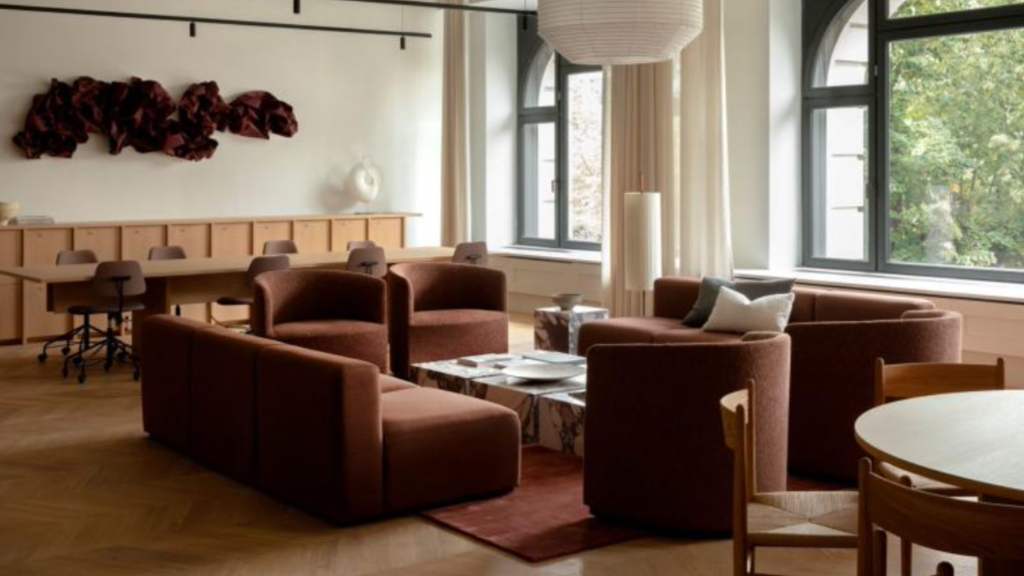
Linden Palais for FORA, Germany. Photography by
Bespoke and custom design can often feel incredibly intimidating or financially prohibitive for specifiers. How is TOTZKE simplifying the process to make customisation approachable and seamless for the design community?
Having an experienced team like TOTZKE involved makes the bespoke process feel far more approachable.
What I've always appreciated about TOTZKE is their collaborative approach. They make the process accessible, helping translate ideas into realistic solutions while providing guidance around budgets, materials and manufacturing from the outset. That removes a lot of the uncertainty and gives designers the confidence to explore more creative possibilities.
Ultimately, it's about making customisation feel less intimidating and showing that bespoke design can be achievable, practical and genuinely add value to a project.